
Choosing the right interior window coverings represents one of the most impactful decisions in home improvement projects. When I work with clients exploring wood vs. vinyl vs. composite interior shutters, I consistently observe confusion about which material delivers optimal performance for their specific needs. Understanding the fundamental differences between these shutter materials comparison options empowers homeowners to make informed investments that enhance both functionality and aesthetic appeal.
This comprehensive shutter buying guide examines the distinctive characteristics, advantages, and limitations of each material option. Whether you’re renovating a coastal home requiring moisture resistant shutters or seeking premium materials that maximize resale value, this analysis provides the essential information needed to select the ideal window treatments for your space. Let me walk you through everything you need to know about these three popular interior shutter materials.
Real Wood Shutters Deliver Traditional Craftsmanship and Natural Beauty
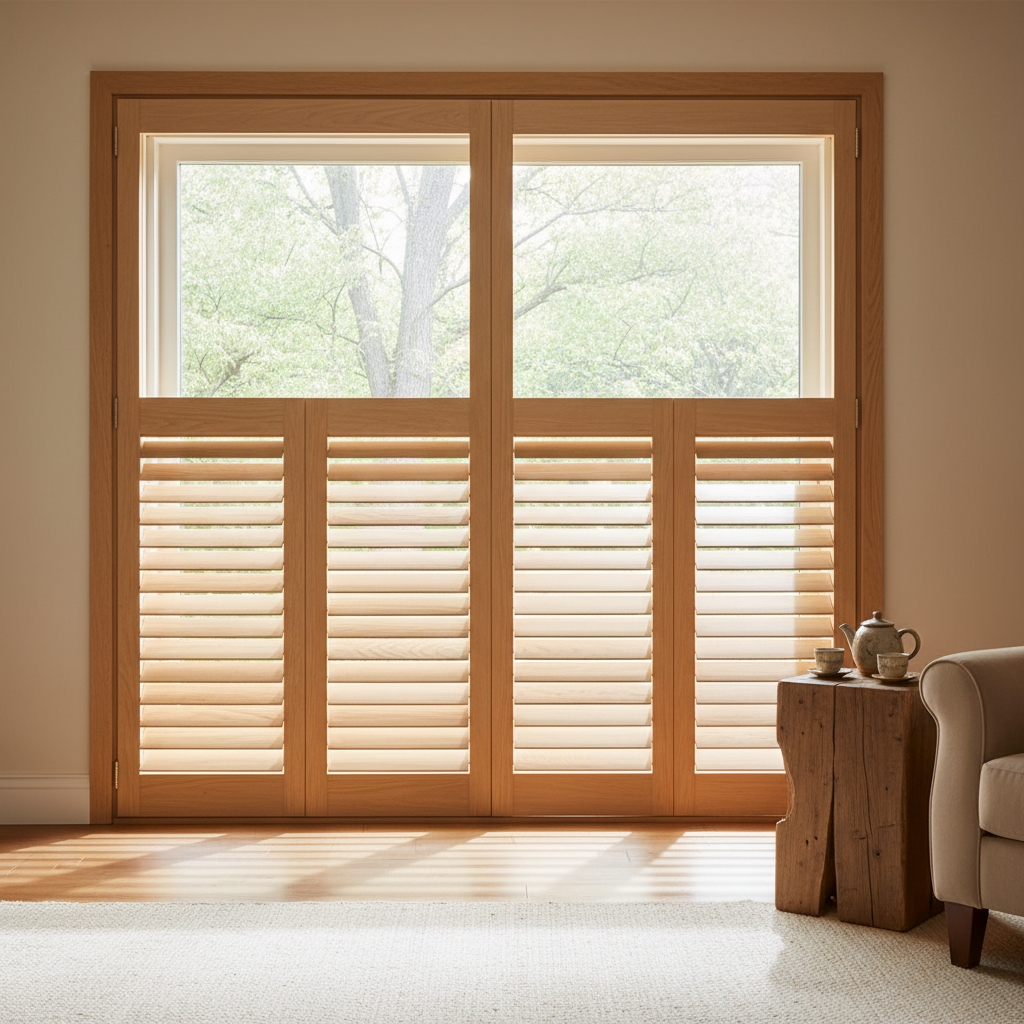
Solid wood plantation shutters, typically crafted from basswood or poplar wood, represent the gold standard in traditional window treatments. These premium materials offer unparalleled natural beauty with authentic wood grain patterns that elevate any interior design scheme. Basswood shutters remain the preferred choice among major manufacturers like Hunter Douglas, Norman Shutters, and Graber due to their lightweight properties, fine grain texture, and exceptional paint finish acceptance.
The inherent warmth and architectural elegance of real wood shutters cannot be replicated by synthetic alternatives. Customization options with wood extend beyond standard paint finish choices to include rich stain finish applications that showcase the natural character of the material. This flexibility allows seamless integration with existing woodwork, furniture, and flooring throughout your home, creating cohesive interior design that sophisticated buyers recognize and appreciate.
What Are the Primary Advantages of Hardwood Shutters?
Basswood shutters and other hardwood options provide superior craftsmanship with precise louvers and tilt rod mechanisms that operate smoothly throughout their lifespan. The material’s natural insulation value contributes to enhanced thermal efficiency, helping regulate indoor temperatures while reducing energy costs. Traditional wood shutters also offer excellent sound insulation properties, creating quieter living spaces by dampening exterior noise transmission through windows.
From an investment perspective, authentic wood shutters consistently deliver the highest ROI when considering resale value. Real estate professionals acknowledge that quality hardwood window coverings signal overall home quality to prospective buyers, often yielding returns that exceed initial installation costs. Additionally, wood’s durability rating ensures decades of reliable performance when properly maintained, making these shutters a genuine long-term investment rather than a temporary decorating solution.
What Limitations Should Homeowners Understand About Wood Shutters?
Despite their numerous advantages, solid wood shutters present specific vulnerabilities that require consideration. High moisture areas such as bathrooms and kitchens pose challenges for wood materials, as prolonged humidity exposure can cause warping, cracking, or finish degradation over time. Maintenance requirements include periodic dusting and occasional refinishing to preserve appearance, particularly in sunny rooms where UV protection becomes essential to prevent fading.
The cost comparison clearly positions wood as the premium-priced option among interior shutter materials. Budget considerations often eliminate wood from consideration for homeowners outfitting multiple windows or working with limited renovation funds. Weight capacity considerations also matter for large windows or bi-fold shutters configurations, where substantial wood shutter panels may require reinforced hinge mechanisms and frame construction to support the material’s natural heft.
Vinyl Shutters Provide Exceptional Moisture Resistance and Affordability
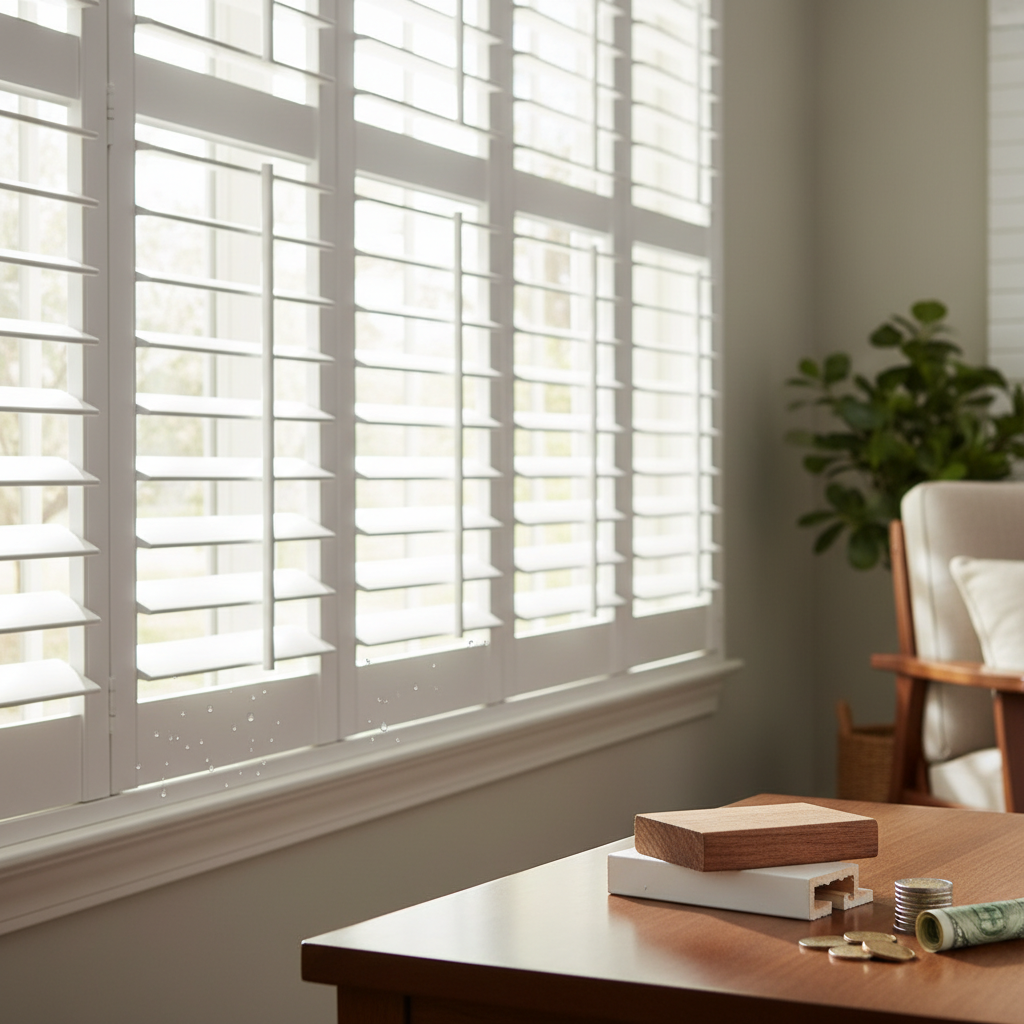
PVC shutters, manufactured from polyvinyl chloride, represent the most affordable shutters option while delivering outstanding performance in challenging environments. These synthetic shutters excel in bathroom shutters and kitchen shutters applications where moisture resistance becomes paramount. Major retailers including The Home Depot, Lowe’s, Budget Blinds, and 3 Day Blinds prominently feature vinyl options due to strong consumer demand for waterproof shutters that eliminate warping concerns.
The practical advantages of vinyl extend beyond moisture proof properties to encompass truly low maintenance shutters that require only occasional cleaning with soap and water. Unlike wood alternatives, vinyl shutters won’t crack, peel, or require refinishing throughout their service life. This easy clean shutters benefit particularly appeals to busy households, rental properties, and vacation homes where minimal upkeep maximizes convenience and reduces long-term maintenance costs.
How Do Vinyl Shutters Perform in High Humidity Environments?
Polymer shutters demonstrate exceptional humidity resistance that makes them ideally suited for wet room shutters applications including full bathrooms, powder rooms, and laundry areas. The material’s inherent waterproof characteristics prevent the moisture-related deterioration that compromises wood shutters in similar environments. Coastal homes particularly benefit from vinyl’s resistance to salt air and high humidity conditions that accelerate wood degradation in marine climates.
Temperature fluctuations that cause wood expansion and contraction have minimal impact on properly manufactured PVC shutters. The material maintains dimensional stability across varying conditions, ensuring consistent operation of louvers and tilt mechanisms regardless of seasonal changes. This reliability translates to sustained light control and privacy control functionality without the adjustments or repairs sometimes required with natural materials responding to environmental fluctuations.
What Are the Aesthetic Limitations of PVC Shutters?
Despite functional advantages, vinyl shutters present aesthetic compromises compared to premium shutter materials. The synthetic appearance lacks the authentic texture and visual depth of real wood shutters, creating a noticeably artificial look that design-conscious homeowners may find objectionable. Color options remain limited primarily to white shutters and a few neutral tones, with painted shutters generally unavailable since vinyl doesn’t accept paint finish applications like natural materials.
Long-term appearance concerns include potential yellowing over time, particularly with lower-quality vinyl shutters exposed to sustained sunlight. While fade resistant shutters formulations have improved, UV protection limitations mean some discoloration remains possible with extended sun exposure. The material’s lack of customization flexibility restricts design possibilities, making vinyl less suitable for homes with distinctive architectural style requirements or sophisticated interior design schemes demanding material authenticity.
Composite Shutters Balance Performance Characteristics and Value
Faux wood shutters crafted from wood composite shutters materials or engineered wood shutters represent an increasingly popular middle-ground option. These hybrid shutters typically combine MDF cores with polymer coatings or integrate various synthetic shutters components to deliver balanced performance characteristics. The result provides moisture resistant properties approaching vinyl while maintaining aesthetic qualities more closely resembling real wood shutters than pure synthetic alternatives.
Major manufacturers have invested heavily in developing composite formulations that address the primary weaknesses of both wood and vinyl. These polywood shutters offerings from industry leaders demonstrate how advanced materials engineering creates products that perform admirably across diverse applications. The shutter material guide from most professional installation service providers now prominently features composite options as optimal solutions for homeowners seeking high quality shutters without premium pricing.
Do Composite Shutters Effectively Replicate Wood Appearance?
Modern faux wood plantation shutters achieve remarkably convincing wood-like aesthetics through sophisticated manufacturing processes that emboss grain patterns and apply multi-layer finishes. When properly manufactured, these shutter styles present visual characteristics indistinguishable from painted basswood shutters to casual observation. The surface treatments available on quality composite products accept both solid colors and wood-tone finishes, expanding shutter colors and customization possibilities beyond standard vinyl limitations.
The tactile qualities of premium composite materials have similarly improved, offering more authentic texture than early faux wood products. While purists may detect differences upon close examination, the practical visual impact in furnished rooms makes these distinctions largely academic. For homeowners prioritizing shutter aesthetic alongside performance, contemporary composite options deliver convincing traditional shutters appearance without wood’s environmental vulnerabilities or maintenance demands.
How Do Composite Shutters Compare in Durability and Longevity?
Engineered materials in quality composite shutters provide excellent durability rating across multiple performance dimensions. These durable shutters resist warping in high moisture areas while maintaining superior dimensional stability compared to solid wood alternatives. The polymer components contribute moisture resistance adequate for bathroom safe shutters and kitchen safe shutters applications, though perhaps not matching pure vinyl’s waterproof properties in extremely wet environments.
Long lasting shutters performance depends significantly on manufacturing quality, with substantial variation between budget and premium composite offerings. Reputable manufacturers typically provide comprehensive warranty coverage reflecting confidence in their products’ shutter longevity. Weight considerations position composite between lightweight vinyl and heavier wood options, requiring appropriate hinge mechanisms and frame construction but generally managing standard window size compatibility without specialized reinforcement requirements for most residential applications.
Shutter Materials Comparison Across Critical Performance Factors
Evaluating window shutter options requires systematic comparison across multiple dimensions affecting long-term satisfaction. The following analysis examines how wood, vinyl, and composite materials perform regarding essential criteria including energy efficiency, maintenance requirements, durability, and cost considerations. Understanding these comparative performance characteristics enables informed decisions aligned with your specific priorities, environmental conditions, and budget parameters.
Energy efficient window treatments contribute measurable value through reduced heating and cooling costs while enhancing indoor comfort. The insulation value or R-value varies considerably among shutter materials, with implications for thermal efficiency and sound insulation. Additionally, factors including weight capacity, installation service complexity, and shutter warranties influence total ownership costs beyond initial purchase prices reflected in basic shutter pricing comparisons.
Which Material Offers Superior Energy Efficiency and Insulation?
Real wood shutters provide the highest natural insulation value among interior shutter materials, with cellular structure that resists heat transfer. Basswood’s inherent thermal properties create effective barriers against both heat gain during summer and heat loss during winter, contributing to reduced energy consumption. The material’s density also delivers superior sound insulation, dampening exterior noise more effectively than synthetic alternatives while creating quieter, more peaceful interior environments.
Composite and vinyl shutters offer respectable but generally lower thermal efficiency compared to solid wood options. Hollow-core vinyl designs provide minimal insulation, though foam-filled polymer shutters significantly improve performance. Premium composite shutters with engineered cores approach wood’s insulation capabilities while maintaining moisture resistance advantages. For homeowners prioritizing energy saving shutters or soundproof shutters properties, material selection significantly impacts long-term comfort and utility cost savings beyond initial aesthetic considerations.
| Performance Factor | Wood Shutters | Vinyl Shutters | Composite Shutters |
|---|---|---|---|
| Moisture Resistance | Poor to Fair | Excellent | Good to Very Good |
| Aesthetic Appeal | Excellent | Fair | Good to Very Good |
| Maintenance Requirements | Moderate to High | Very Low | Low |
| Energy Efficiency | Excellent | Fair to Good | Good |
| Initial Cost | High | Low | Moderate |
| Resale Value Impact | Excellent | Fair | Good |
| Customization Options | Extensive | Limited | Moderate |
| Average Lifespan | 20-30+ years | 10-20 years | 15-25 years |
Strategic Material Selection Based on Room Location and Conditions
Optimal shutter material selection varies significantly based on specific room characteristics and environmental conditions. Bathroom and kitchen applications present moisture challenges best addressed with vinyl or composite solutions, while living areas and bedrooms accommodate any material based primarily on aesthetic preferences and budget. Understanding location-specific requirements prevents costly mistakes and ensures long-term satisfaction with your custom interior shutters investment.
Sunny rooms requiring fade proof shutters and sun resistant shutters properties benefit from materials offering superior UV protection and color stability. Conversely, rooms with minimal direct sunlight exposure eliminate solar degradation concerns, expanding viable material options. The following guidance helps match shutter materials to common residential applications, optimizing performance while managing costs through strategic material deployment throughout your home.
What Are the Best Shutter Materials for Specific Applications?
- Bathrooms and Wet Areas: Vinyl shutters provide optimal performance for full bathrooms, shower areas, and other high-humidity spaces where waterproof properties prevent moisture damage.
- Kitchens: Composite shutters offer excellent balance for kitchen windows, providing moisture resistance for steam exposure while maintaining attractive appearance near cooking areas.
- Living Rooms and Bedrooms: Real wood shutters deliver maximum aesthetic impact in main living spaces where moisture concerns are minimal and visual quality takes priority.
- Bay Windows and Large Openings: Lightweight vinyl or composite options reduce stress on hinge mechanisms and frame construction for oversized shutter panels spanning substantial window areas.
- Coastal Properties: Vinyl shutters excel in marine environments with salt air and high humidity that accelerate wood deterioration and require frequent maintenance.
- Investment Properties: Budget-friendly vinyl shutters provide practical solutions for rental homes where cost control and minimal maintenance outweigh aesthetic refinement.
Professional Installation Service and DIY Considerations
Professional installation ensures proper measurements, secure mounting, and optimal function regardless of selected shutter material. Companies like Norman Shutters, Graber, 3 Day Blinds, and Budget Blinds provide expert installation service that eliminates common DIY mistakes affecting appearance and performance. Custom measurements prove critical for achieving the precision fit that distinguishes quality shutter installations from mediocre results, particularly with made to measure shutters and bespoke shutters requiring exacting specifications.
DIY shutters installation remains feasible for mechanically inclined homeowners, potentially reducing total project costs by eliminating labor charges. However, the complexity of accurate measuring, cutting, and mounting—particularly for specialty configurations like hinged shutters or bi-fold shutters—often justifies professional expertise. Material weight differences affect installation difficulty, with lightweight vinyl shutters generally more manageable than substantial wood alternatives requiring robust anchoring and proper hinge mechanisms to support panel weight.
Frequently Asked Questions
Are composite shutters better than real wood for bathrooms?
Yes, composite shutters generally outperform real wood in bathroom applications due to superior moisture resistance and humidity resistance properties. While authentic wood shutters offer aesthetic advantages, the high-moisture environment in bathrooms causes warping, finish deterioration, and dimensional instability in wood materials. Composite options provide wood-like appearance without these moisture-related vulnerabilities, making them the practical choice for bathroom installations where performance longevity matters.
How long do vinyl shutters last compared to wood shutters?
Quality vinyl shutters typically last 10-20 years with minimal maintenance, while properly maintained wood shutters often exceed 20-30 years of service life. However, wood’s longevity advantage assumes appropriate environmental conditions and regular maintenance including periodic refinishing. In high-moisture environments where wood deteriorates rapidly, vinyl may actually deliver longer functional lifespan. The durability comparison ultimately depends on installation location, maintenance commitment, and initial product quality rather than material alone.
Do composite shutters look convincingly like real wood?
Modern premium composite shutters achieve remarkably authentic wood-like appearance through advanced manufacturing techniques that emboss grain patterns and apply sophisticated finishes. While close examination may reveal differences to trained observers, the visual impact in furnished rooms makes composite shutters virtually indistinguishable from painted wood alternatives to most viewers. Lower-quality composite products show more obvious synthetic characteristics, so material quality significantly affects how convincingly faux wood shutters replicate authentic hardwood appearance.
Which shutter material provides the best value for the investment?
Composite shutters often deliver optimal value by balancing initial cost, performance characteristics, and longevity across diverse applications. While vinyl offers lowest upfront costs and wood provides maximum resale value and aesthetic quality, composite materials occupy the practical middle ground suitable for most residential situations. The “best value” determination ultimately depends on your specific priorities—whether emphasizing budget constraints, moisture resistance requirements, aesthetic preferences, or long-term ROI considerations when evaluating total ownership costs.
Can vinyl shutters be painted if I want to change colors later?
Vinyl shutters generally cannot be successfully painted due to poor paint adhesion on PVC surfaces and the material’s thermal expansion properties that cause paint cracking and peeling. While specialized primers and paints claim compatibility with vinyl, results typically prove disappointing with limited longevity. This limitation means selecting appropriate shutter colors initially becomes critical with vinyl materials. In contrast, wood and quality composite shutters accept paint finishes readily, providing flexibility to update appearance through refinishing as décor preferences evolve.
What warranty coverage should I expect with different shutter materials?
Warranty coverage varies significantly by manufacturer and material quality rather than simply material type. Premium wood shutters from reputable manufacturers often include limited lifetime warranties covering defects and workmanship. Quality vinyl and composite products similarly feature substantial warranty periods ranging from 10 years to lifetime coverage, reflecting manufacturer confidence in durability. Budget-grade shutters across all material categories typically offer minimal warranty protection. Always review specific warranty terms regarding coverage scope, transferability, and exclusions before making purchase decisions.
Selecting between wood, vinyl, and composite interior shutters requires balancing multiple considerations including budget parameters, aesthetic priorities, environmental conditions, and long-term performance expectations. No single material emerges as universally superior across all applications—each offers distinct advantages making it optimal for specific situations. By understanding the comprehensive performance characteristics detailed in this guide, you can confidently choose shutter materials aligned with your unique requirements and circumstances.
I encourage you to share your experiences with different shutter materials with us. Have you installed wood, vinyl, or composite shutters in your home? What factors proved most important in your material selection, and how has performance met your expectations? Your insights help fellow homeowners make informed decisions for their window treatment projects. For additional guidance on custom shutters selection and professional installation options, explore our related resources and feel free to reach out with specific questions about your particular application requirements.

Tired of spending so much money on your energy bills? You’re not alone. Here in California, residents spend an average Read more

Your home reflects your personality and style, and every detail matters. One often-overlooked element that can enhance both aesthetics and Read more

When it comes to sprucing up your home's interior design and adding to its overall charm, making the right choice Read more